ESSAY FILM
The film started with a question I kept encountering: What are you doing to make a difference?
Recycle. Vote. Consume differently. Care more.
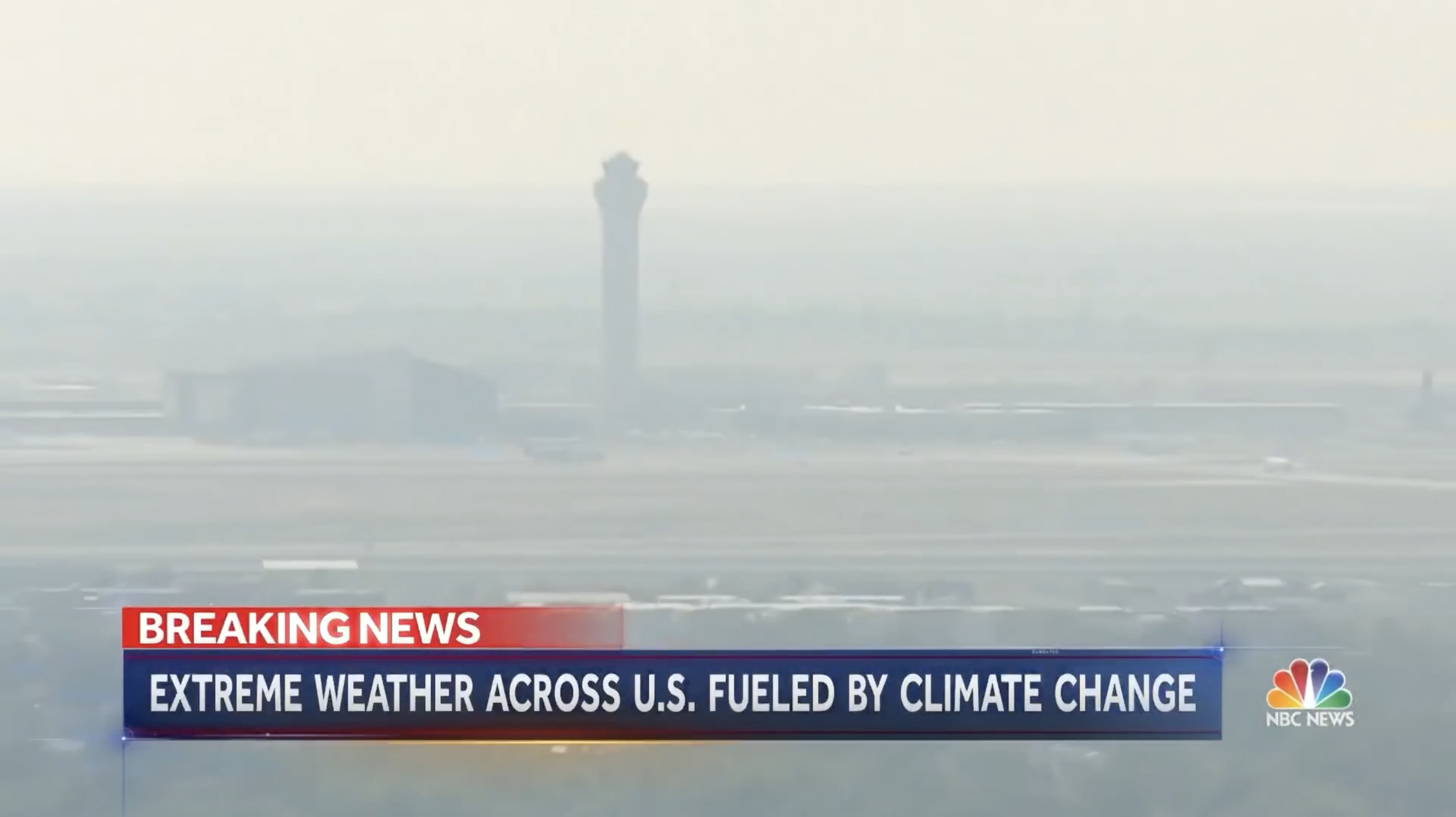
I became interested in the gap between the scale of the crises we face and the actions we are given to respond to them. Climate change, inequality and political power are structural problems, yet responsibility for them repeatedly seems to end up with the individual.
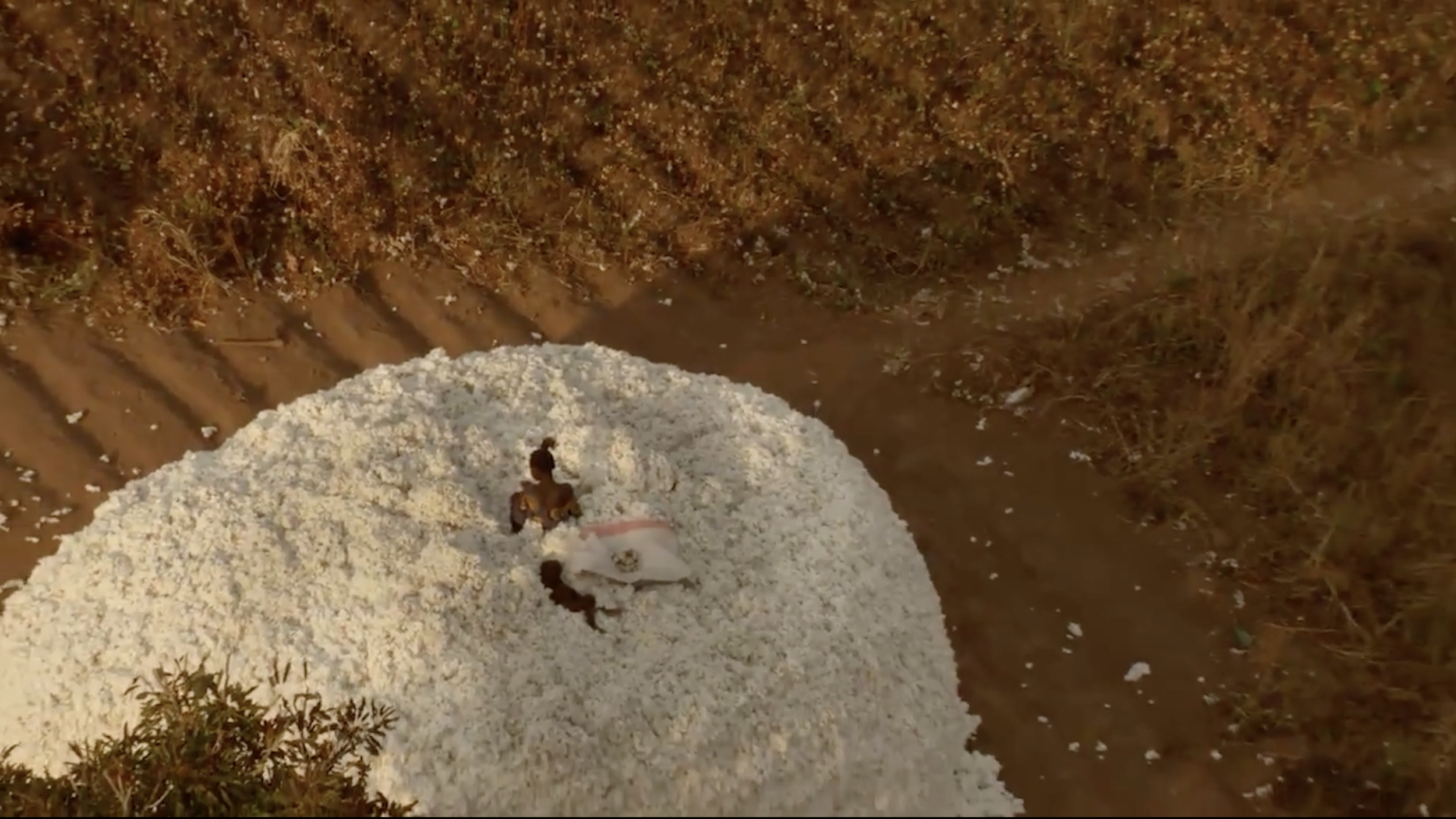
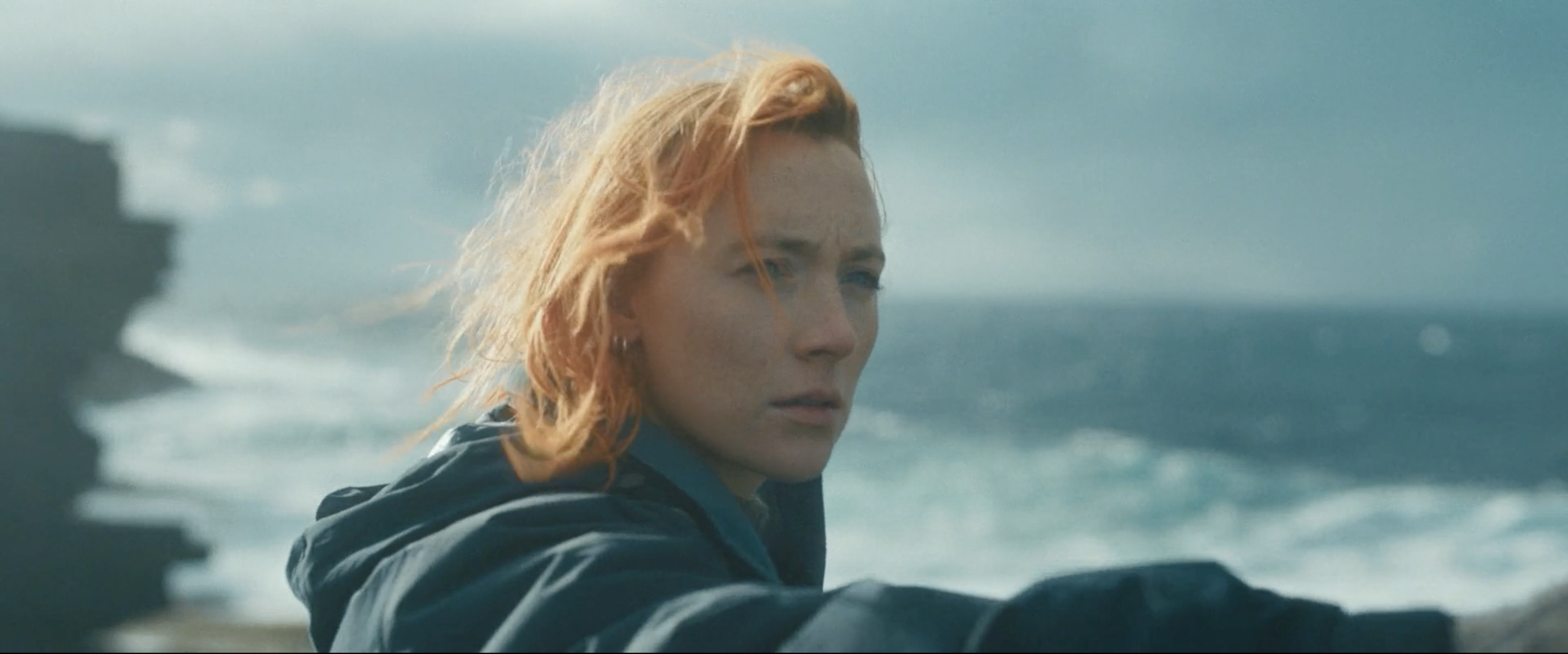
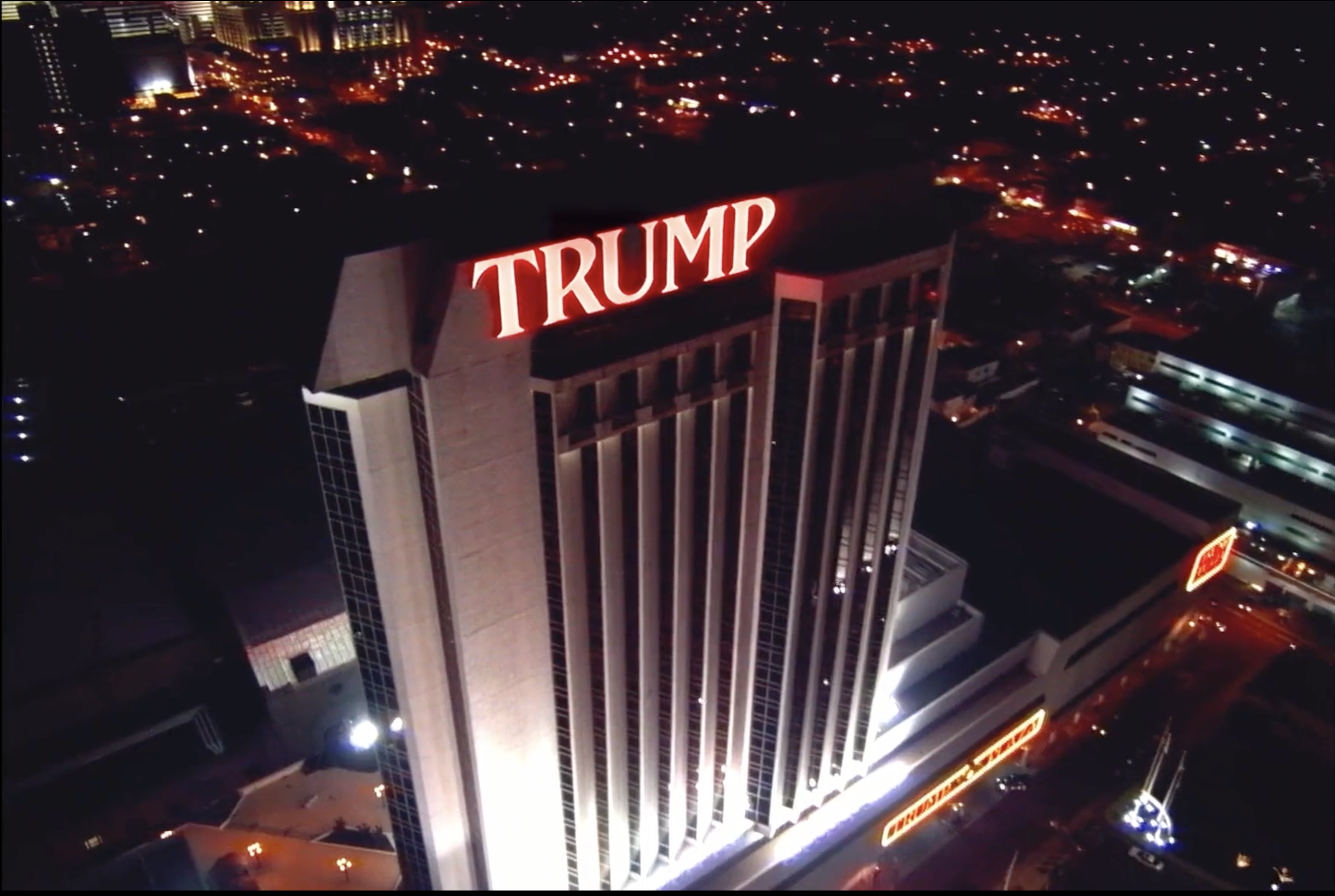
Displaced follows this movement through five forms of displacement: scale, responsibility, politics, art and hope. It asks what happens when problems are moved to places where they cannot be solved - while power remains somewhere else.
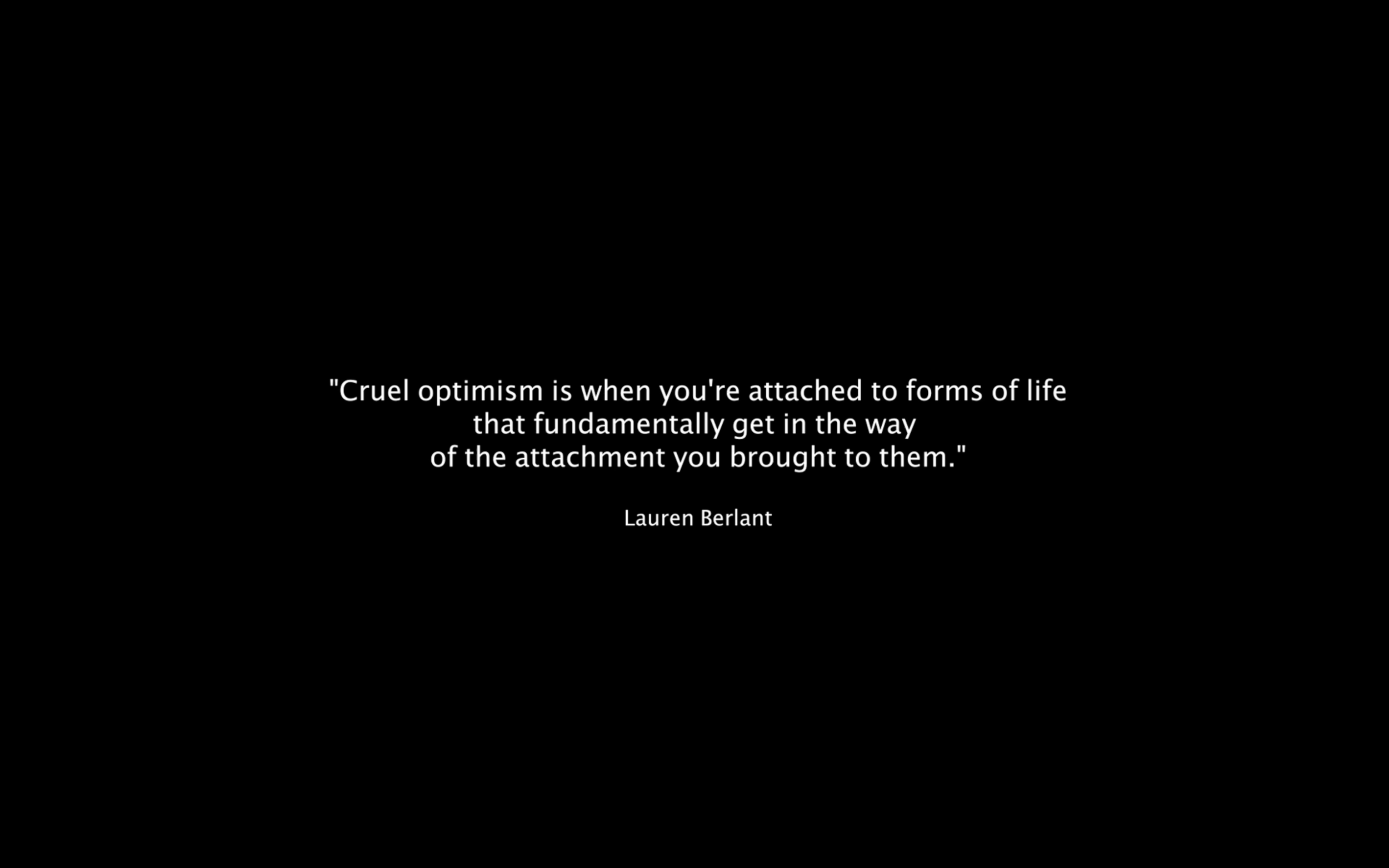
Michael Richardson’s writing on the crisis of scale and Timothy Morton’s concept of hyperobjects became a way of thinking about problems that exceed individual perception and action. David Van Reybrouck and Christian Meier provided a historical perspective on democracy, political decision-making and the concentration of power. T. J. Demos and Lauren Berlant became central to my questioning of political art, affect and hope — and of what happens when feeling or representation begins to stand in for political agency.
What interested me was the connection between these different displacements: a crisis becomes an image, responsibility becomes personal, politics becomes representation, art becomes a substitute for action, and hope becomes an expectation that existing structures will eventually correct themselves.
The film eventually turns this question onto itself. Film can create attention, emotion and visibility. But it cannot distribute political power.
Displaced does not try to resolve that contradiction. It tries to make the displacement visible - and to ask what political art can do once it stops confusing expression with shared power.